
FABERGE Identification & Authentication Services
EXAMINATION
IDENTIFICATION
EXAMINATION
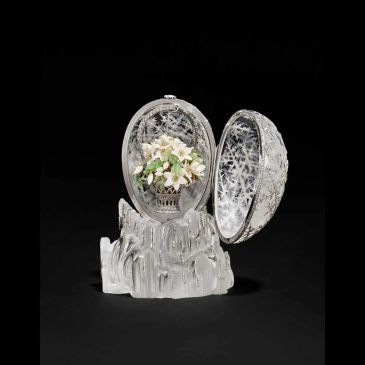
Oxford Archives provides specialized identification and authentication services for objects attributed to the workshops of Fabergé, applying a rigorous, evidence-based methodology aligned with, and exceeding, established institutional standards. Each object is examined as a work of high decorative art within its historical and technical c
Oxford Archives provides specialized identification and authentication services for objects attributed to the workshops of Fabergé, applying a rigorous, evidence-based methodology aligned with, and exceeding, established institutional standards. Each object is examined as a work of high decorative art within its historical and technical context, with careful attention to materials, construction, and the distinctive characteristics associated with Fabergé production in the late Imperial Russian period.
EVALUATION
IDENTIFICATION
EXAMINATION
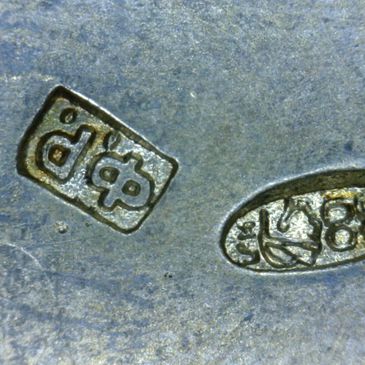
Authentication begins with detailed material and technical analysis, including assessment of precious metals, enameling techniques, stone setting, and fabrication methods. Particular focus is given to maker’s marks, assay marks, and workshop identifiers, evaluated for accuracy in form, placement, and period consistency. Surface finish, to
Authentication begins with detailed material and technical analysis, including assessment of precious metals, enameling techniques, stone setting, and fabrication methods. Particular focus is given to maker’s marks, assay marks, and workshop identifiers, evaluated for accuracy in form, placement, and period consistency. Surface finish, tool marks, and construction techniques are analyzed to distinguish authentic period workmanship from later reproductions or pastiches, with reference to known examples attributed to leading Fabergé workmasters.
IDENTIFICATION
IDENTIFICATION
IDENTIFICATION
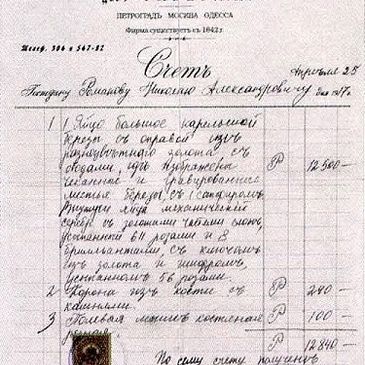
This analysis is supported by comprehensive comparative research and provenance evaluation. Oxford Archives cross-references each object against documented Fabergé pieces held in institutional collections and published catalogues, examining consistency in design, typology, and execution. Where possible, historical ownership, sales records
This analysis is supported by comprehensive comparative research and provenance evaluation. Oxford Archives cross-references each object against documented Fabergé pieces held in institutional collections and published catalogues, examining consistency in design, typology, and execution. Where possible, historical ownership, sales records, and archival documentation are incorporated to strengthen attribution. All findings are recorded within a structured, museum-standard framework, providing collectors, institutions, and advisors with clear, defensible conclusions grounded in verifiable evidence.